I set out with the intention of posting absolutely everything I drew. It is just as well I failed to do so, because there are hundreds of drawings now, over a year on from the beginning of this endeavour. In this post I will tell you how I was working, and why I had to change in order to protect my remaining eyesight. I’ll get into the drawings and materials and exercises at a later date.
How To Draw With Broken Eyes.
I am registered ‘severely sight impaired’, which here in the UK is the highest level of impairment we register. It covers people who have no sight at all, and those like me, who have lost a significant amount, but still have some residual sight.
I have always been extremely short sighted, which is what lead to my permanent sight loss, the degree of stretching in my retina eventually causing tiny haemorrhages which destroyed the central part of my retina, the macular, which is where we detect most detail and which is the bit right in front as you look straight ahead.
Because I am short sighted I wear strong contact lenses to correct the remaining sight I do have, without my lenses in I can hold something about five or six inches from my eyes and see it in focus, and at this distance, somehow the loss of central sight has less of an impact on what I am seeing.
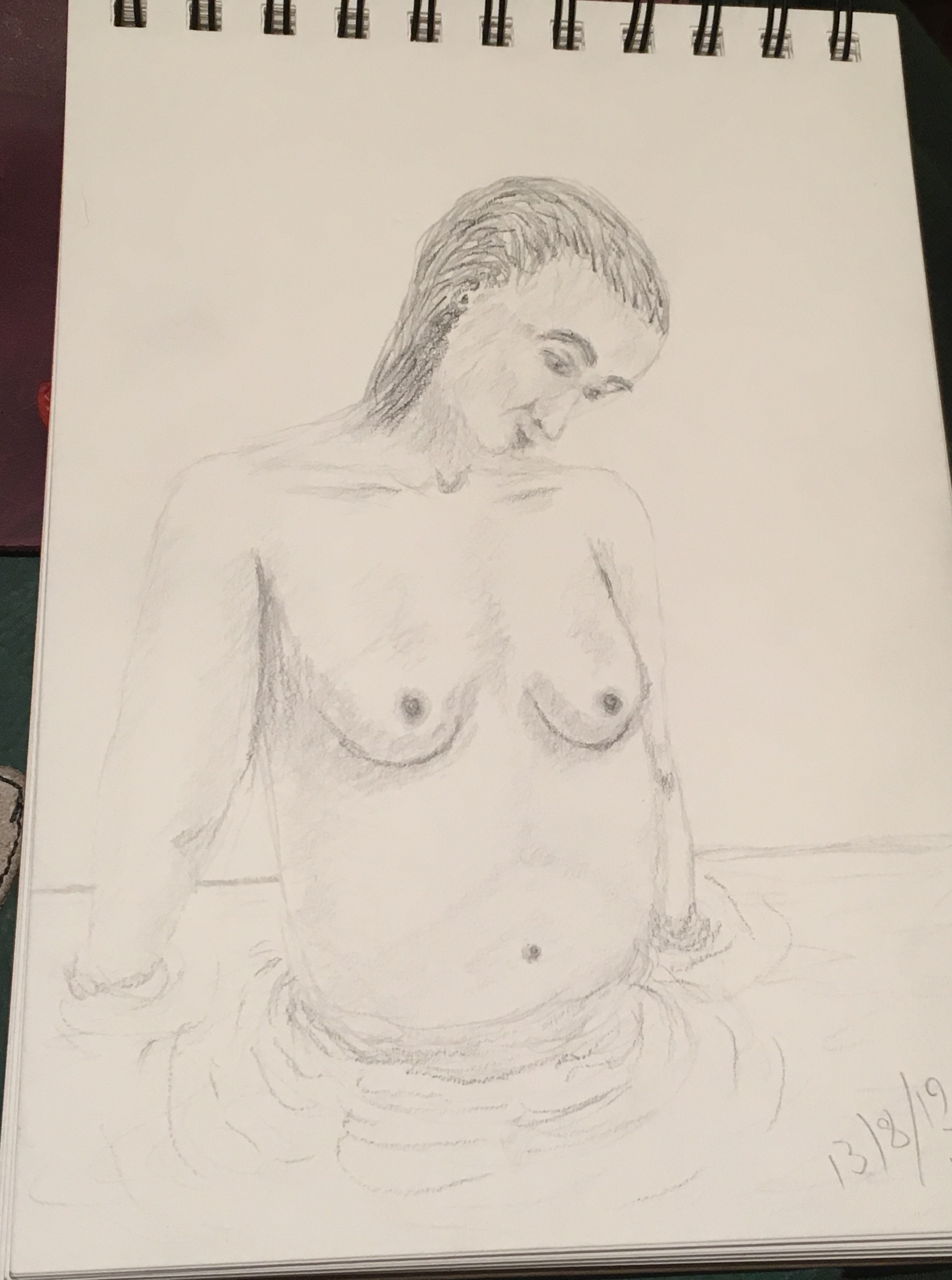
So I started drawing without my lenses in, with the page just a few inches from my nose, and my shoulders scrunched up over the page. Because it is so difficult to work with binocular vision at this close range, especially when the two eyes have differently damaged views, I would work with only my left eye which has slightly less sight loss, so I would wear an eye patch, or just screw up my face to keep that eye closed while working. Yes, I did shrug off anyone who commented and suggested I might not be doing my sight much good. I did try a little with lenses in, and found that I couldn’t see a pencil line very easily and I couldn’t get nearly so much detail into the drawings.
These were all drawn with lenses out.


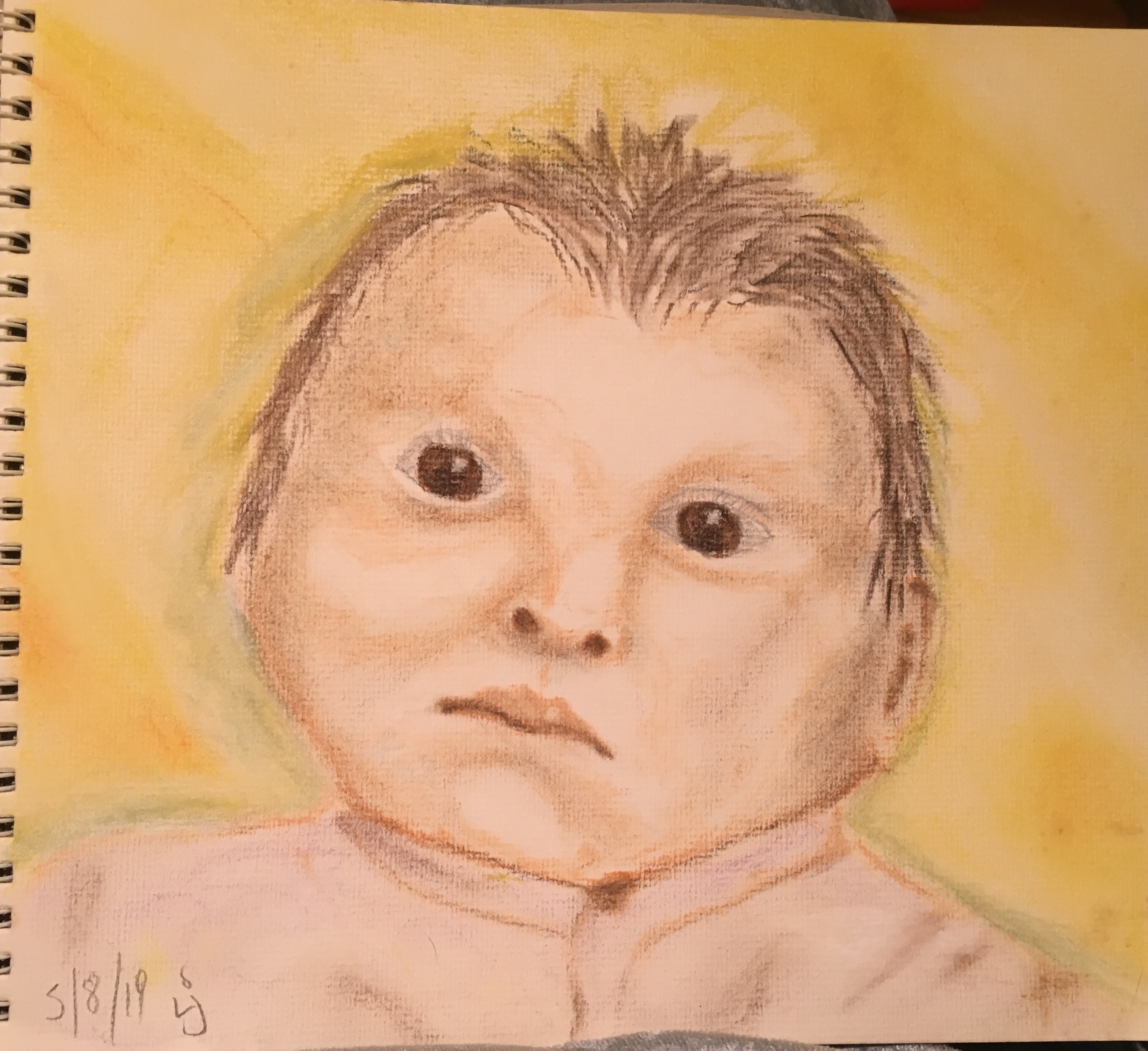
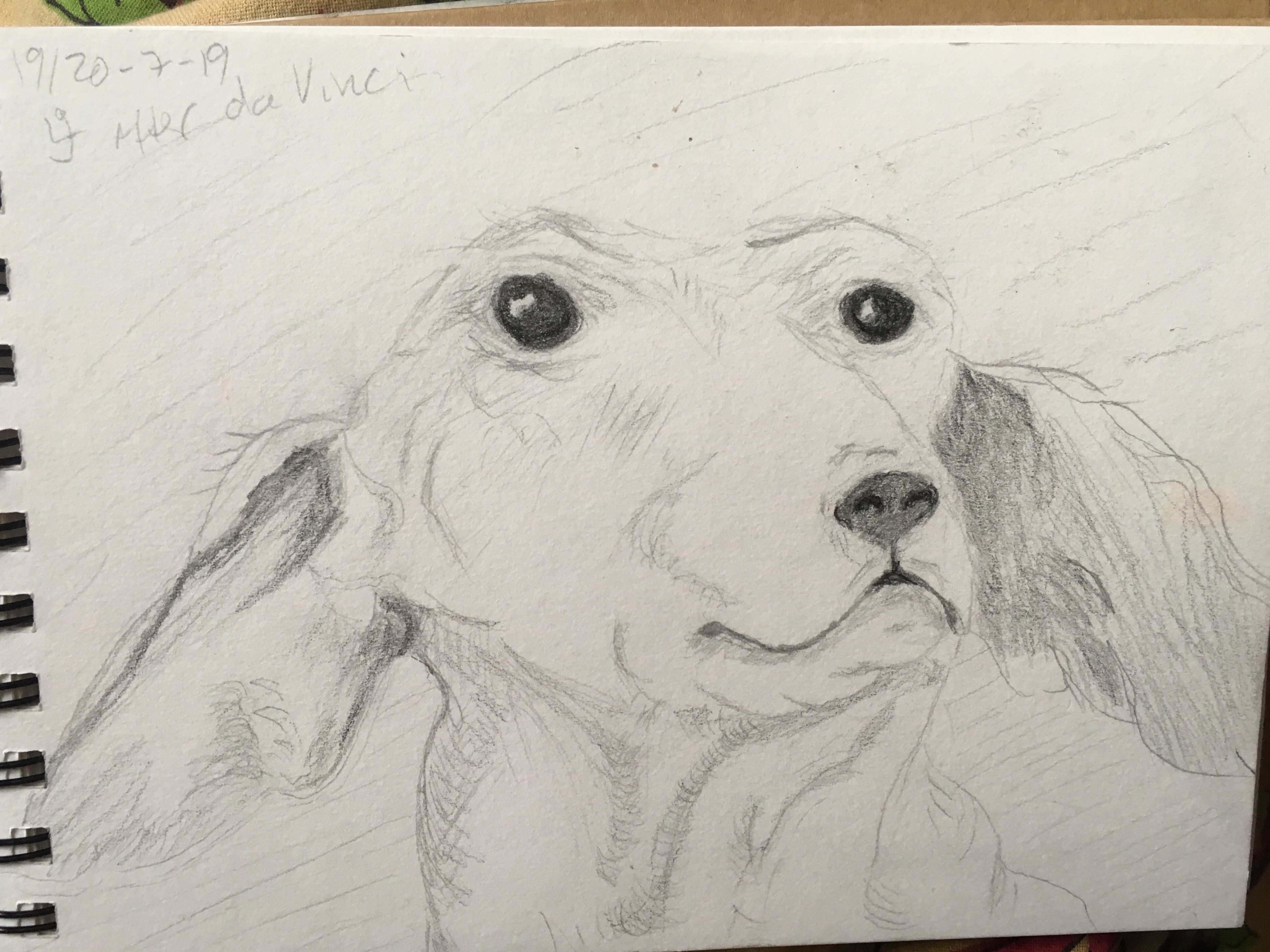
And these with lenses in.

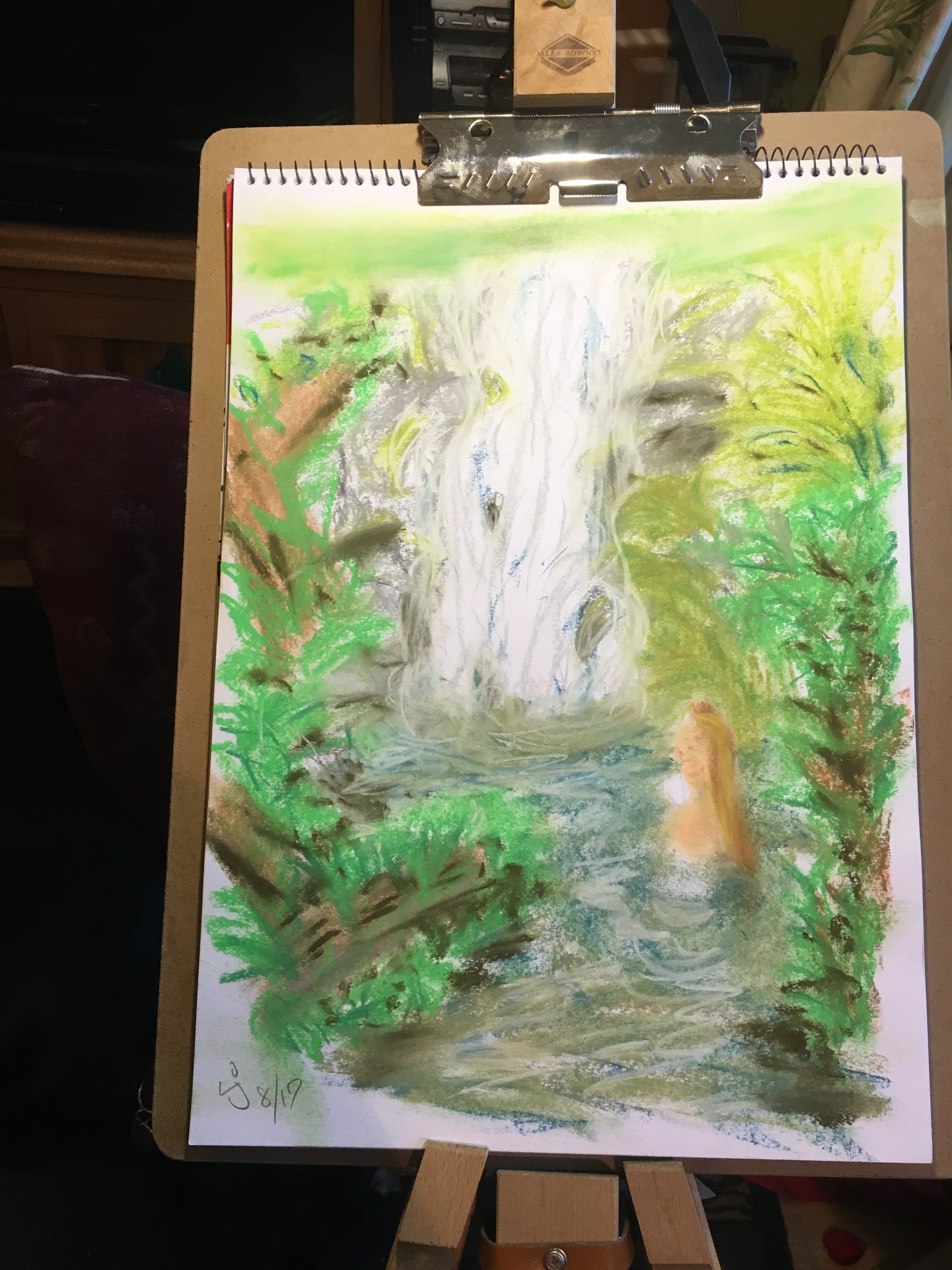
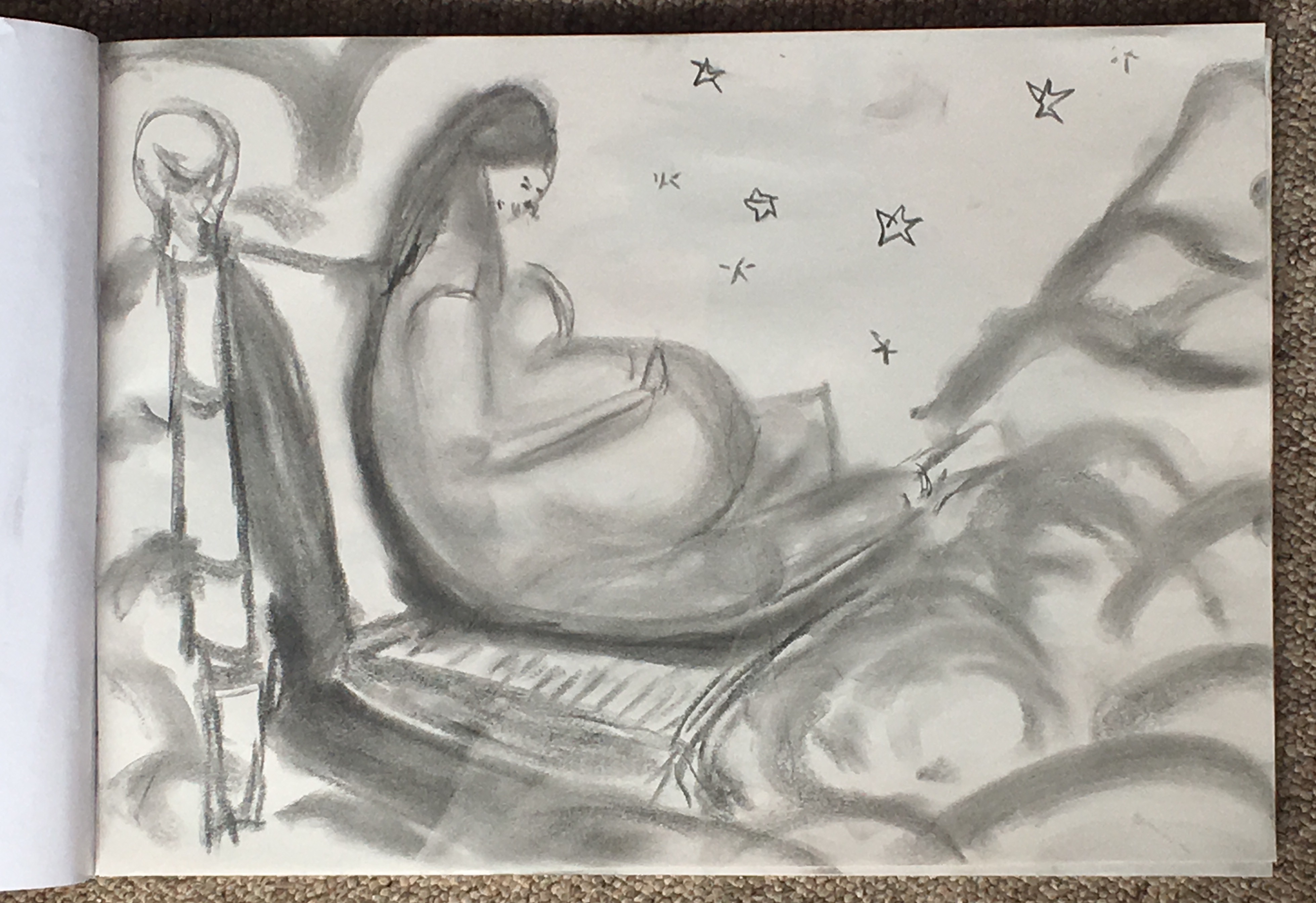

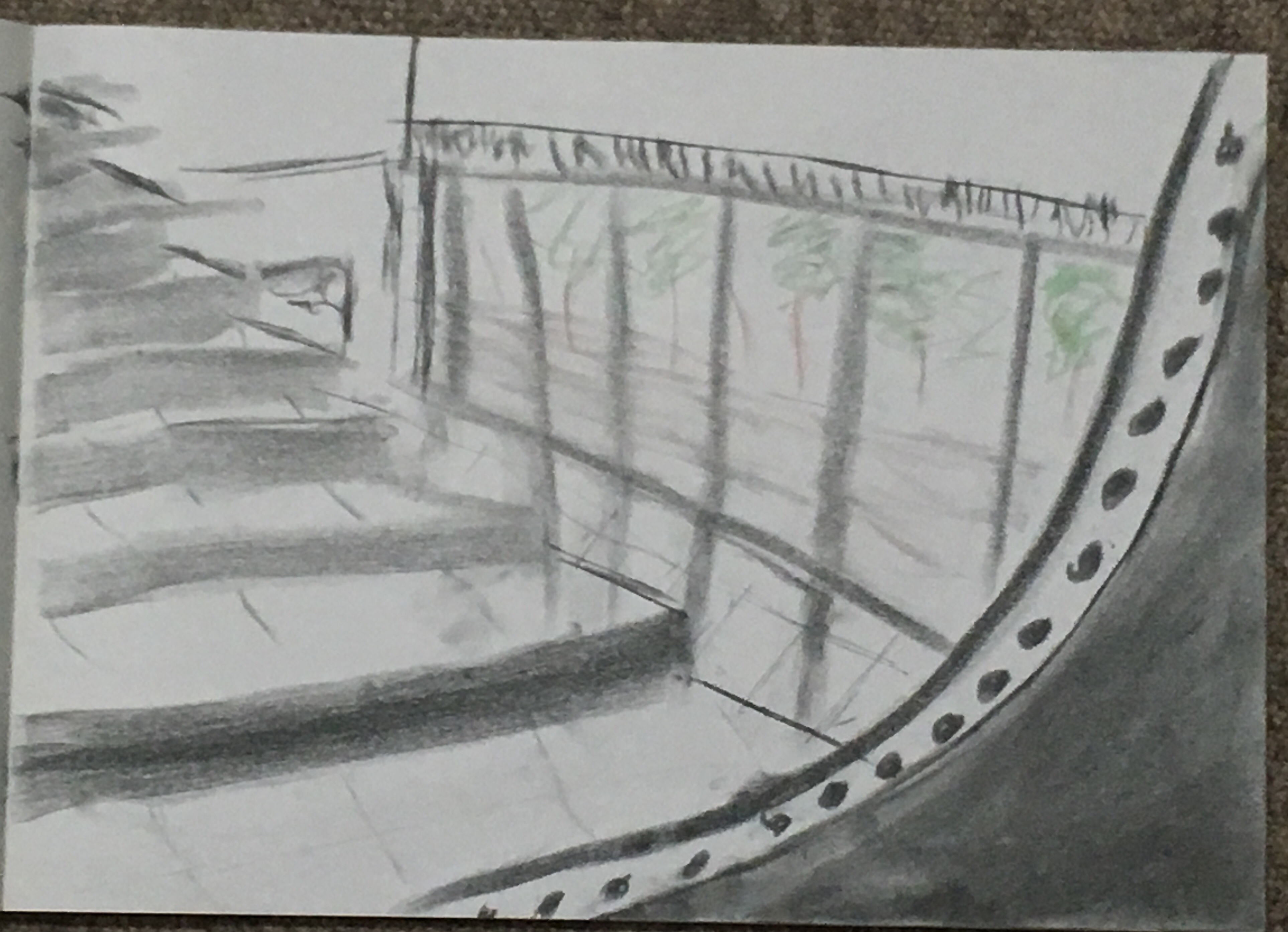
I have only shared images from last summer in this post , to give an idea
of the difference in the type of work I can produce with and without lenses.
Damage Done.
After about three months of working this way, I had a routine check up with the optician. I had felt that my sight was worsening a little, but couldn’t put my finger on what the change was, apart from noticing that my left eye would refuse to focus sometimes when I was tired. I would blink and blink and eventually have to focus on something close at hand for a minute to get things back in line. I could actually feel my brain struggling with telling my eye what to do. You may wonder why on earth I persisted with the drawing under these conditions. There is a whole other post to be written about sight loss itself, how what you have become used to can suddenly slip out from under you with another shift in sight levels, how determined (if not stubborn and bloody minded) one becomes to keep on keeping on regardless. After twenty plus years of this I have tended to think that my sight will do what it will do, and I will do the best I can with what I have. It never really occured to me that my actions might make matters worse.
By the end of the consultation we had confirmed that each eye was still seeing with the same acuity as it had been a year previously, but the double vision was being caused by the muscles in my two eyes not working at the same strength. I asked if spending a lot of hours working using only one eye could possibly cause this problem and my optician practically threw her hands up in horror. She asked what I had been doing and I came clean. She told me that working like that would definitely cause the symptoms I was experiencing, and the longer I did it the worse things would get. She said I might find that the muscles would sort themselves out if I stopped doing that, but there was no guarantee that they would ever get back in synch. So I was effectively giving myself double vision for anything more than a few inches away from my nose. I had to stop working that way immediately and hope that there might be some recovery.
Going In with Both Eyes Open.
I had to forget about detail and reaching for realism to a great extent, so I got rid of the eye patch, found some larger drawing pads, and ploughed on. The rest of last summer was spent finding out what I could achieve with my lenses in and both eyes open and with different materials. I wandered through pastel pencils, soft pastels and chalks, charcoal and graphite sticks. I worked on different coloured paper, exploring negative ideas and absences as opposed to presences. All very interesting and rewarding. I actually prefer not working to detail and extreme realism, and I constantly surprise myself. I have made a point of sharing my doodles with friends on social media, feeling that being open with every effort and mistake will make me more confident about sharing things I think might have worked.
In recent months I have tried working with ink and acrylic paint pens, and oil pastels , and have been working on the draft sketches for those books that got me started on all this. . And I am itching to get started with some acrylic paint.
Last October I heard of a thing called Inktober, a personal challenge to draws something in response to a given prompt every day for a month. I thought I’d have a go at the first one, and I very quickly became hooked on the process, sharing each drawing with FaceBook friends, and coming up with some stuff I was very happy with. Because I can’t see what I’ve done very well, I try not to have to go back to rework parts of an image, and I set myself the challenge to draw each one in no more than about twenty minutes. The result is that I probably leap in a take risks far more readily than I would if I had full sight, and I have to make confident marks on the page from the outset. There are times when I sit and look at the blank page for a few moments, seeing the image form on there before I start drawing. It is amazing to me how similar the process of drawing sometimes is to that of writing when one settles down with a plain sheet and the willingness to just allow creativity to happen, without too much forethought.
I will never know what my work looks like to a sighted observer. I can sometimes get a better idea of what I have drawn if I photograph it and blow it up on the screen, but that’s obviously not a way to work on the actual drawing.
In the next post I will share with you the Inktober experience, and in due course I will bring you up to date with the work so far. For now, please feel free to ask any questions you may have about my working process.
Oh, and the double vision? It’s correcting itself and getting better all the time.

 Splintered Eye